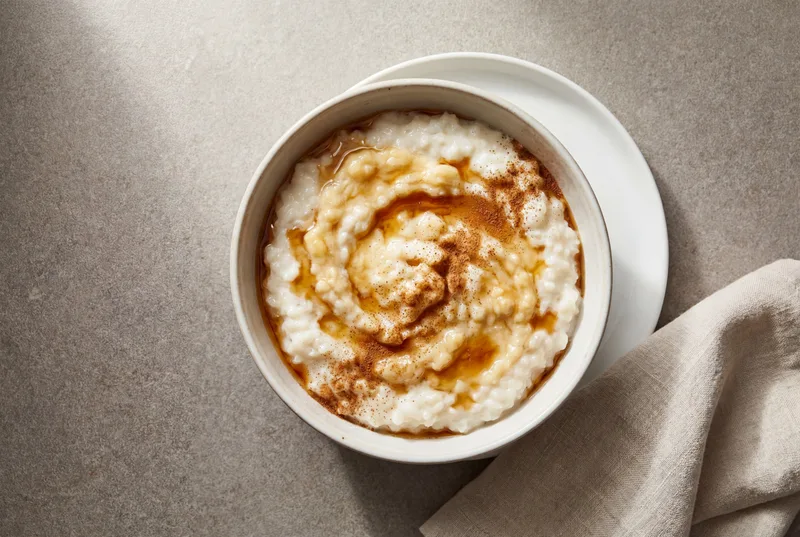
Low-FODMAP Overnight Oats
Cold, creamy oats that thicken overnight into a pudding-like texture. Stick to the 1/2 cup portion—it's the sweet spot where oats stay low-FODMAP and gentle enough for remission.
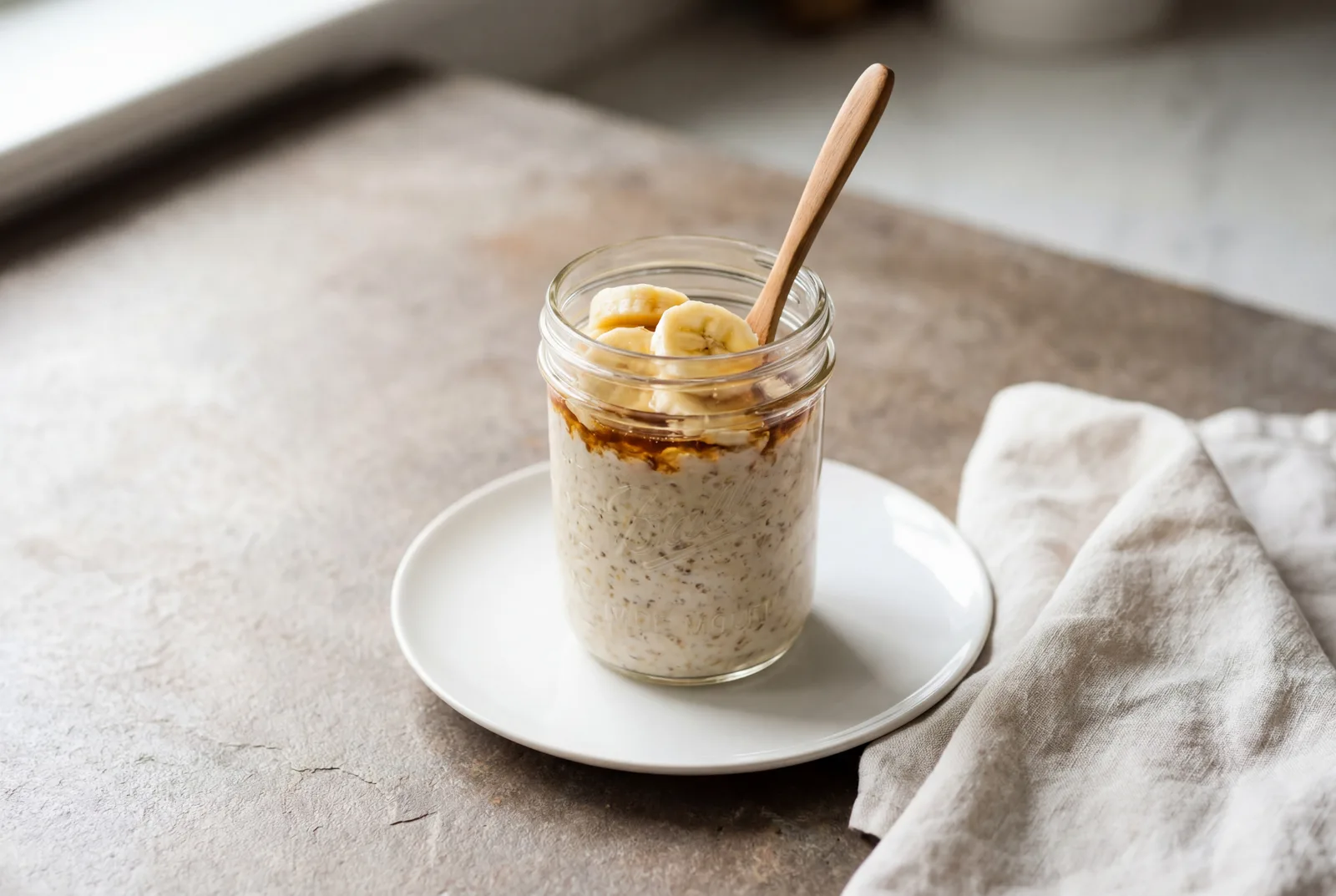
Low-FODMAP Overnight Oats
Cold, creamy oats that thicken overnight into a pudding-like texture. Stick to the 1/2 cup portion—it's the sweet spot where oats stay low-FODMAP and gentle enough for remission.
Ingredients
- Low FODMAP
- Low FODMAP
- Low FODMAP
- Low FODMAP
- Low FODMAP
- Low FODMAP
- Low FODMAP
Topping Ideas (choose 1-2)
Ingredients
- Low FODMAP
- Low FODMAP
- Low FODMAP
- Low FODMAP
Instructions
Combine the oats, milk, yogurt, maple syrup, chia seeds, vanilla, and salt in a mason jar or airtight container. Stir vigorously with a spoon until everything is evenly mixed and no dry oats remain at the bottom.
Equipment: mason jar, spoonSeal the container tightly and refrigerate for at least 4 hours, or ideally overnight. The oats will absorb the liquid and transform into a thick, pudding-like consistency.
Tip: Overnight (8+ hours) gives the best texture, but 4 hours works in a pinchIn the morning, give the oats a good stir. If the texture is too thick for your liking, add a splash of milk (1-2 tablespoons) to loosen it up.
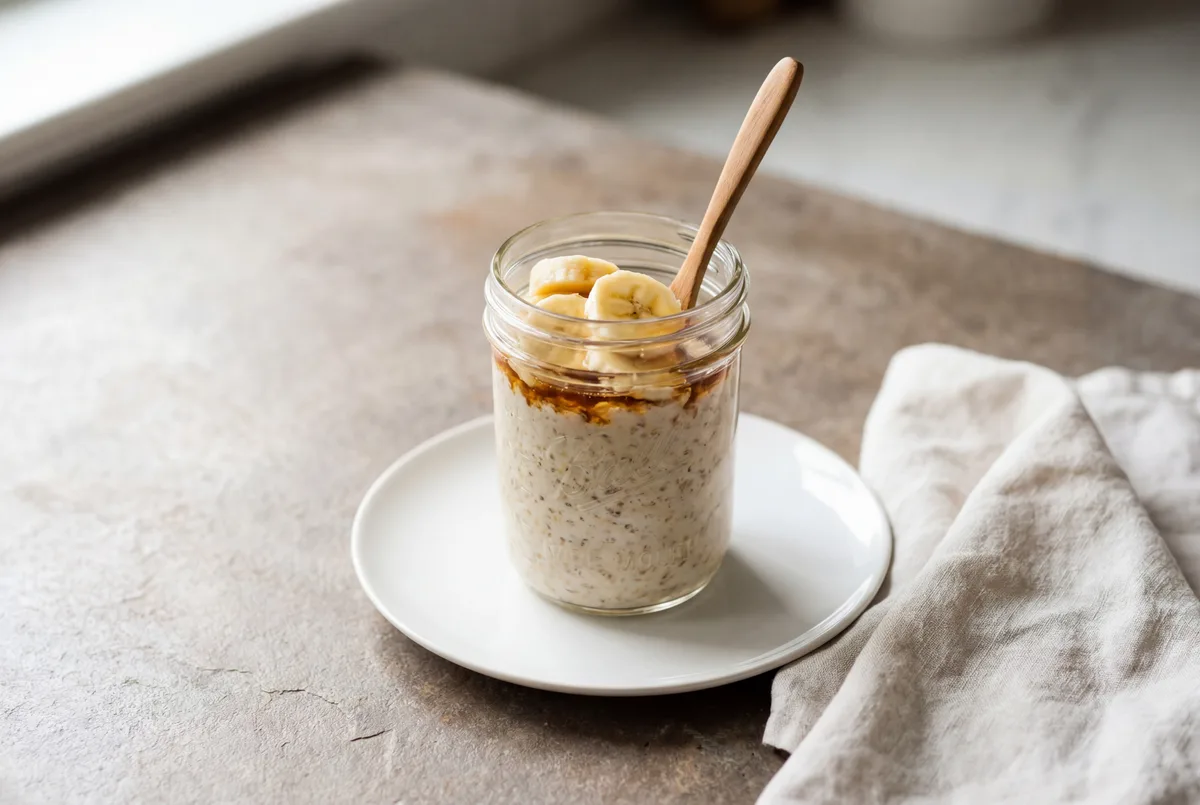
Add your chosen toppings—sliced banana, a few blueberries, a drizzle of almond butter, or a sprinkle of shredded coconut.
Enjoy cold straight from the fridge, or microwave for 1-2 minutes if you prefer warm oats.
Tip: Cold is traditional, but warming can be easier to digest for some
Notes
Storage
Refrigerate in an airtight container for up to 5 days. The oats will continue to thicken over time—add more milk when ready to eat if needed.
Oat type
Use rolled oats (sometimes called old-fashioned oats), not steel-cut (they won't soften enough) or instant oats (they turn mushy and gummy).
Gluten-free
Oats are naturally gluten-free but are often cross-contaminated during processing. If you have celiac disease or gluten sensitivity, buy certified gluten-free oats.
Dairy-free yogurt option
Swap the lactose-free yogurt for coconut yogurt or use an extra 1/4 cup of almond milk for a thinner but still creamy consistency.
Batch prep
Make 3-4 jars on Sunday night for grab-and-go breakfasts throughout the week. Label with the date so you know which to eat first.
Scaling warning
Do not double the oats per serving. The 1/2 cup portion is the low-FODMAP limit—at 3/4 cup or more, oats become high in fructans and GOS. Make multiple single servings instead.
IBD Considerations
Diet Protocol Compliance
How this recipe fits common IBD dietary approaches