Japanese Rice Porridge (Okayu)
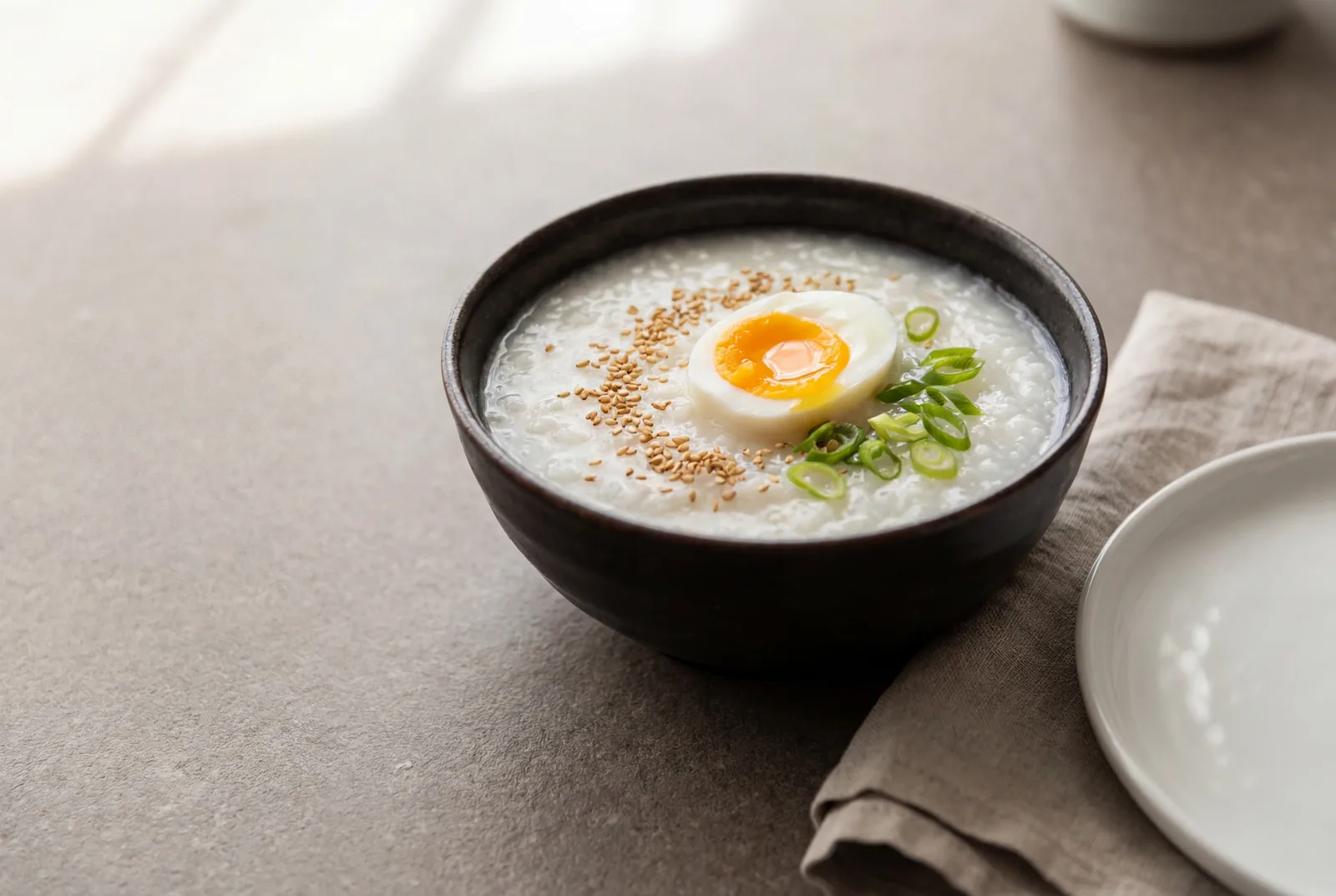
Silky Japanese rice porridge with a texture so soft it melts on the tongue. At just 1g fiber per serving and 92% water content, this is the first solid food many of us reach for during severe flares.
Japanese Rice Porridge (Okayu)
Silky Japanese rice porridge with a texture so soft it melts on the tongue. At just 1g fiber per serving and 92% water content, this is the first solid food many of us reach for during severe flares.
Ingredients
- Low FODMAP
- Low FODMAP
- Low FODMAP
Optional Toppings
Ingredients
- Low FODMAP
- Low FODMAP
- Low FODMAP
- Low FODMAP
Instructions
Rinse the rice thoroughly in a fine-mesh strainer under cold water, swirling with your fingers until the water runs completely clear. This removes excess surface starch that would make the porridge gummy rather than silky.
Equipment: fine-mesh strainerCombine the rinsed rice and 5 cups water in a heavy-bottomed pot or Dutch oven. A heavy base prevents scorching during the long cook time.
Equipment: heavy-bottomed pot, Dutch ovenBring to a rolling boil over high heat, stirring occasionally to prevent rice from settling on the bottom and sticking.
Once boiling, reduce heat to the lowest setting and partially cover the pot, leaving about a 1-inch gap for steam to escape. Simmer gently for 40-45 minutes.
Tip: The gap in the lid is important - full seal will cause boil-overStir every 10 minutes with a wooden spoon to release starch and prevent sticking. The rice grains will gradually break down and the liquid will turn milky white.
Equipment: wooden spoonThe porridge is ready when most rice grains have completely broken apart, the texture is silky and flows like heavy cream, and you can no longer distinguish individual grains. It should coat the back of a spoon.
Remove from heat and stir in the salt until dissolved.
Ladle the warm porridge into bowls and add your desired toppings. Serve immediately while steaming hot.
Notes
Storage
Refrigerate in an airtight container for up to 4 days. Okayu thickens dramatically when cooled - add 1/4 to 1/2 cup water when reheating and stir until smooth. Reheat gently on the stovetop over low heat or in the microwave in 30-second intervals.
Rice ratio
Adjust the water ratio to your texture preference. Use 4 cups water for a thicker, porridge-like consistency or up to 6 cups for a thinner, soup-like consistency that's easier to sip during severe flares.
Rice type
Japanese short-grain rice (like Koshihikari or Calrose) breaks down best for that silky texture. Long-grain rice won't become as creamy, though it will still work if that's what you have.
SCD alternative
Rice is not permitted on the Specific Carbohydrate Diet. Well-cooked, mashed butternut squash provides a similar comfort food texture for SCD followers during flares.
Protein boost
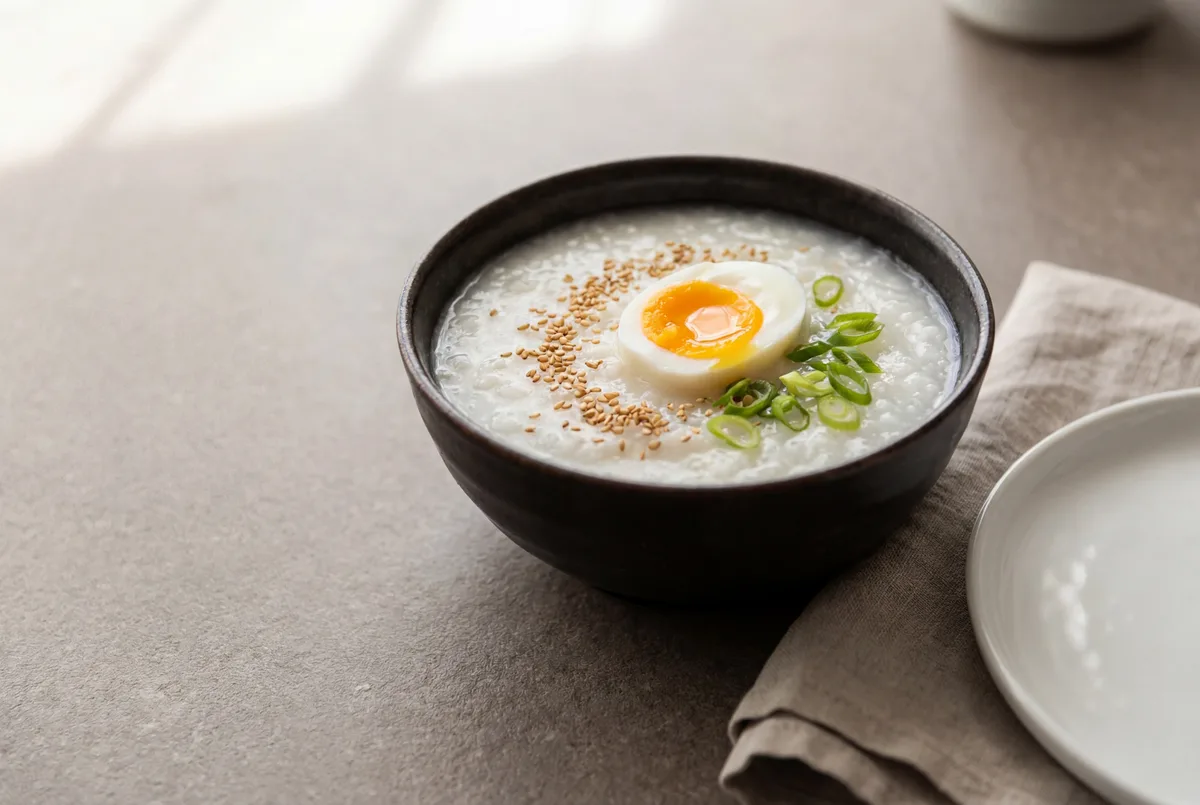
Add a soft-boiled egg (6-7 minute egg) on top for an extra 6g protein per serving. This makes okayu substantial enough for a light meal rather than just a snack.
Broth substitution
During remission, use low-sodium chicken broth or homemade bone broth instead of water for more flavor. The collagen in bone broth may provide additional gut-supportive benefits. Ensure broth is free of onion and garlic for low-FODMAP compliance.
Freezing
Okayu freezes well for up to 3 months. Portion into individual servings in freezer-safe containers. Thaw overnight in the refrigerator and add water when reheating.
IBD Considerations
Diet Protocol Compliance
How this recipe fits common IBD dietary approaches