Simple Baked Salmon with White Rice
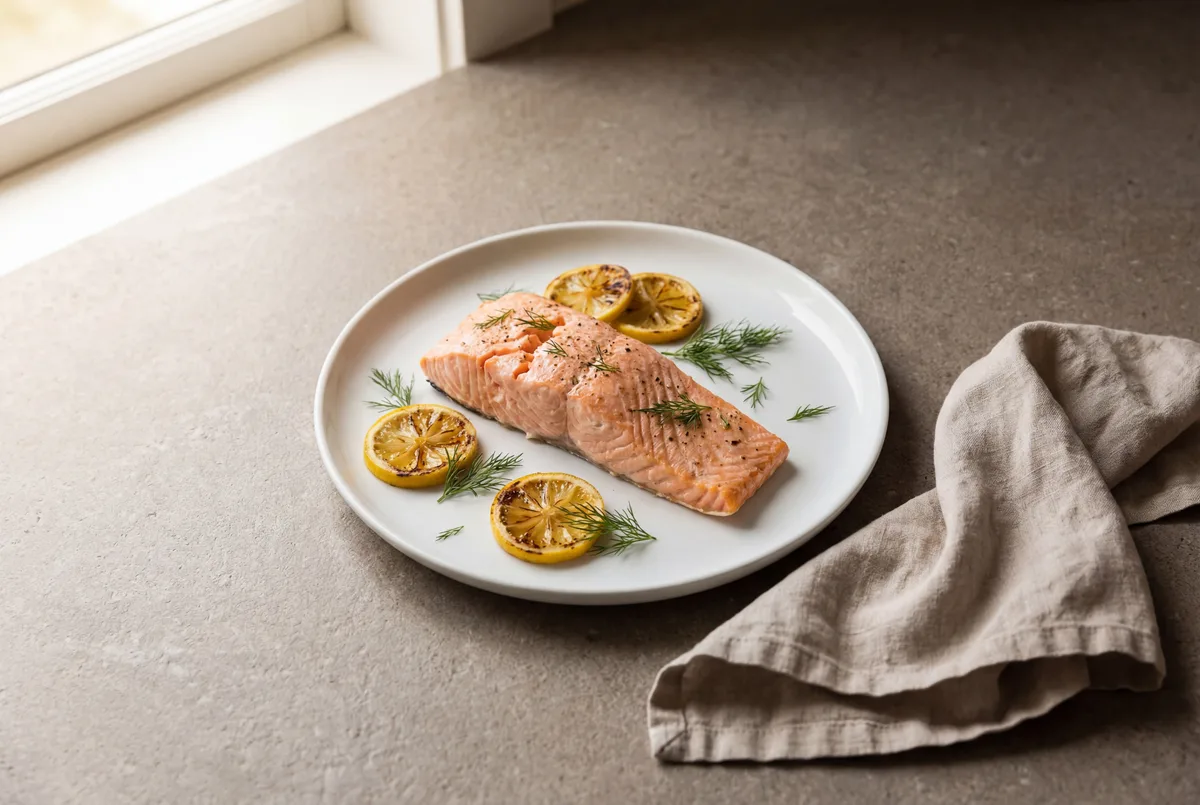
Flaky baked salmon over fluffy white rice. Each serving provides approximately 1.5-2g of anti-inflammatory omega-3 fatty acids with just 1g fiber—a combination many of us find gentle during active flares. Research suggests regular fatty fish consumption may support reduced intestinal inflammation.
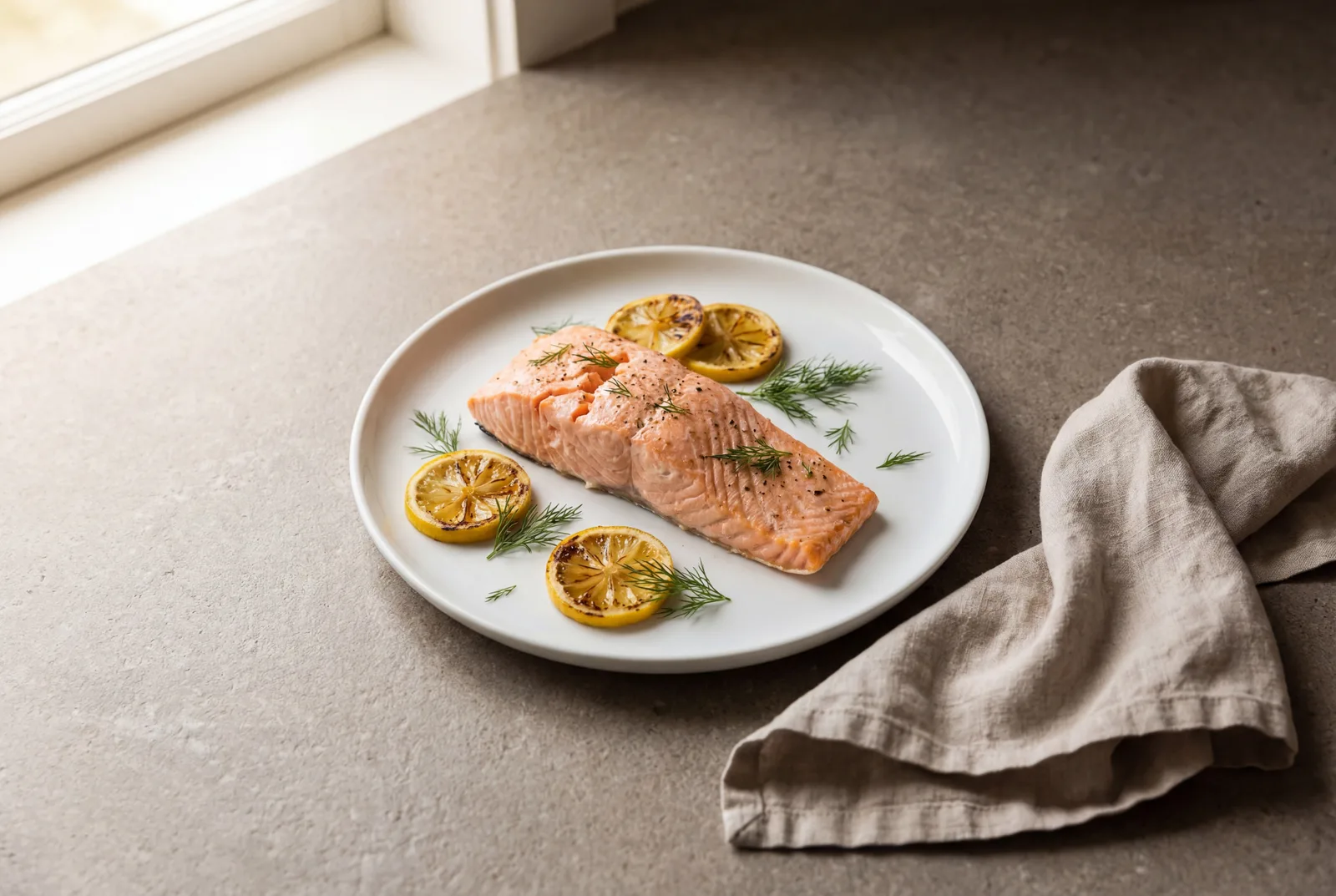
Simple Baked Salmon with White Rice
Flaky baked salmon over fluffy white rice. Each serving provides approximately 1.5-2g of anti-inflammatory omega-3 fatty acids with just 1g fiber—a combination many of us find gentle during active flares. Research suggests regular fatty fish consumption may support reduced intestinal inflammation.
Ingredients
- Low FODMAP
- Low FODMAP
- Low FODMAP
- Low FODMAP
- Low FODMAP
- Low FODMAP
- Low FODMAP
- Low FODMAP
Instructions
Preheat the oven to 400°F (200°C) and line a baking sheet with parchment paper.
400°F (200°C)Equipment: baking sheet, parchment paperRinse the rice under cold water until the water runs clear. Combine rice and water in a medium pot and bring to a boil over high heat.
Equipment: medium potOnce boiling, reduce heat to low, cover with a tight-fitting lid, and simmer for 18 minutes without lifting the lid.
Tip: Do not lift the lid while simmering—trapped steam is essential for properly cooked riceWhile the rice cooks, pat the salmon fillets completely dry with paper towels.
Equipment: paper towelsTip: Dry salmon is key for better texture and slight browning on the surfacePlace the salmon fillets skin-side down (if skin-on) on the prepared baking sheet, spacing them at least 2 inches apart.
Drizzle each fillet with 1 tablespoon olive oil and gently rub to coat the surface. Season with salt and pepper (if using).
Bake for 12-15 minutes, until the salmon flakes easily when pressed gently with a fork and the thickest part is opaque throughout. Internal temperature should reach 145°F (63°C) for food safety.
145°F (63°C)Tip: Many prefer 135-140°F for a more tender, slightly translucent centerRemove the rice from heat and let stand covered for 5 minutes to steam and fluff.
Fluff the rice with a fork and divide between two plates. Top each portion with a salmon fillet.
Equipment: forkServe with a small squeeze of fresh lemon and a sprinkle of dill, if desired.
Notes
Storage
Refrigerate salmon and rice separately in airtight containers for up to 3 days. Reheat salmon gently in a 300°F (150°C) oven for 8-10 minutes to prevent drying, or enjoy cold over a salad. Reheat rice in the microwave with a damp paper towel on top to restore moisture.
Fish substitutions
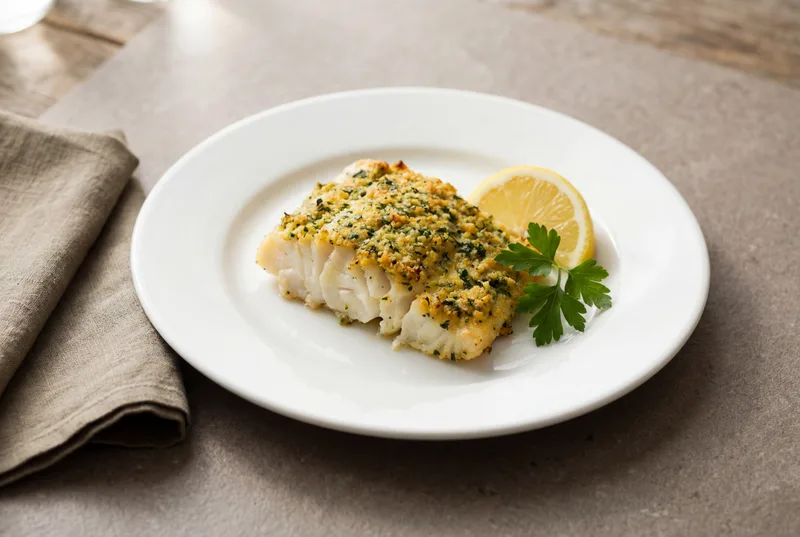
Cod, tilapia, or sole work well for a milder, leaner option, though you'll lose the omega-3 benefits that make salmon particularly helpful for IBD. Arctic char or trout are closer flavor matches with similar omega-3 content.
SCD alternative
White rice is not permitted on the Specific Carbohydrate Diet. Substitute with well-cooked, mashed butternut squash (monitor portion size—amber at 70g per Monash) or cauliflower rice for an SCD-legal version.
Make-ahead
Cook rice up to 3 days ahead and refrigerate. The salmon is best cooked fresh, but you can season the fillets and refrigerate them up to 4 hours before baking.
Scaling
This recipe doubles or triples easily. Use multiple baking sheets and rotate their positions halfway through baking for even cooking.
IBD Considerations
Diet Protocol Compliance
How this recipe fits common IBD dietary approaches