Classic Pot Roast
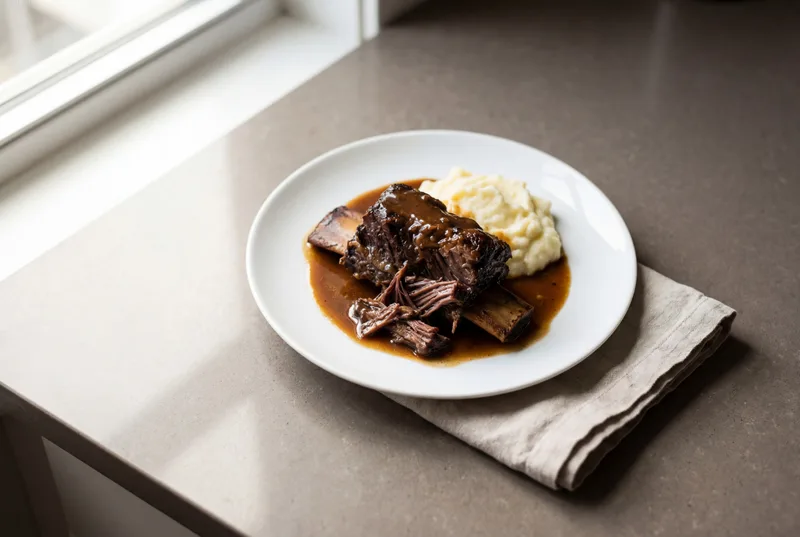
Meltingly tender beef braised low and slow until fork-tender. The long cook transforms tough chuck into one of the most digestible forms of red meat—collagen breaks down into gut-soothing gelatin while vegetables soften completely.
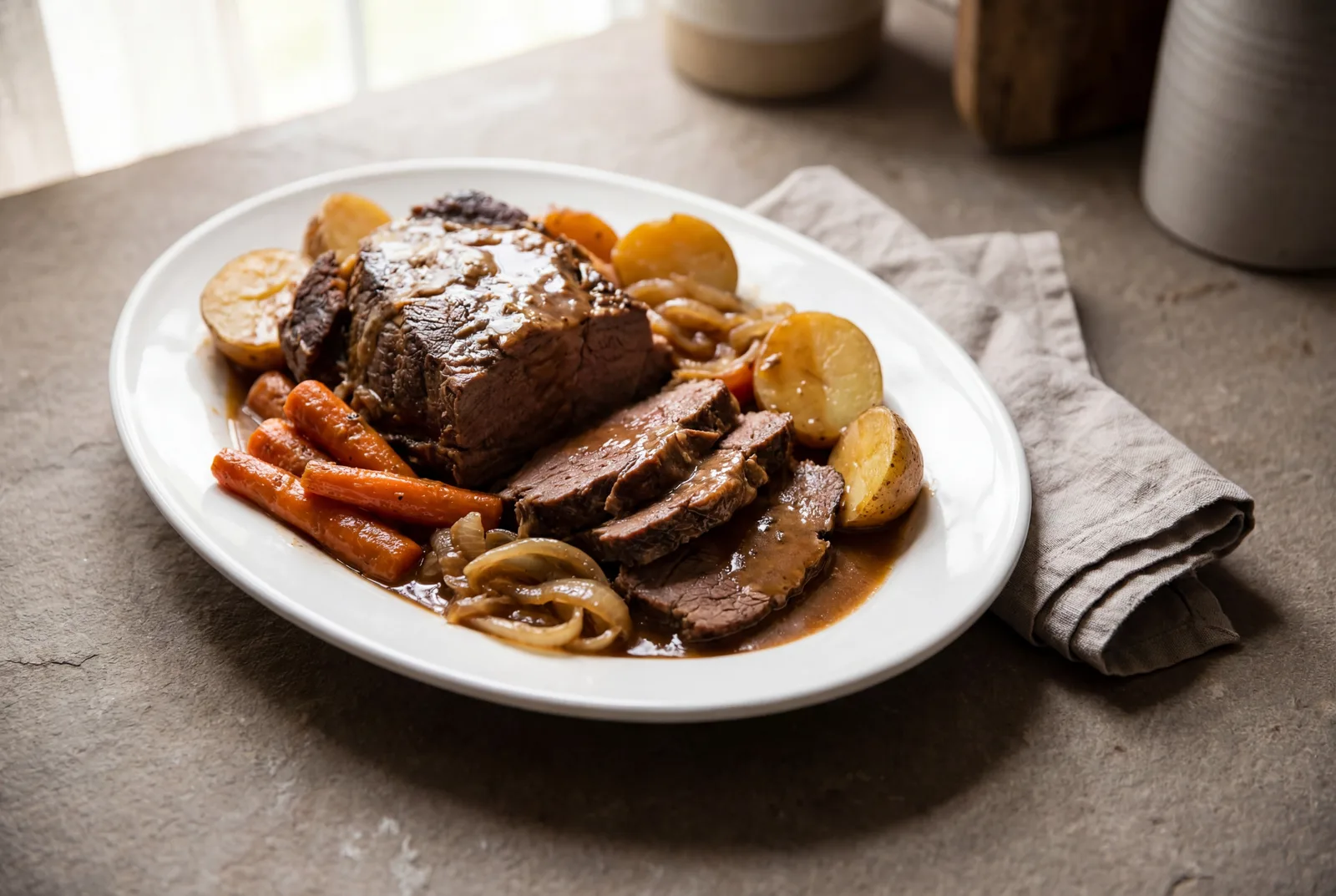
Classic Pot Roast
Meltingly tender beef braised low and slow until fork-tender. The long cook transforms tough chuck into one of the most digestible forms of red meat—collagen breaks down into gut-soothing gelatin while vegetables soften completely.
Ingredients
- Low FODMAP
- Low FODMAP
- Low FODMAP
- Low FODMAP
- Low FODMAP
- Low FODMAP
- Low FODMAP
- Low FODMAP
- Low FODMAP
- Low FODMAP
Instructions
Preheat oven to 300°F (150°C).
300°F (150°C)Equipment: ovenPat the roast completely dry with paper towels.
Equipment: paper towelsTip: Moisture prevents browning—dry meat thoroughly for the best crustSeason all sides generously with salt and pepper (if using), pressing the seasoning into the meat.
Heat garlic-infused oil in a large Dutch oven over high heat until it shimmers. Carefully place the roast in the hot oil and sear without moving for 4 minutes, until a deep brown crust forms.
Equipment: Dutch ovenTip: Don't move the meat while searing—let the crust develop undisturbedFlip and sear each remaining side for 4 minutes until the entire surface is richly browned. Transfer the seared roast to a plate and set aside.
Reduce heat to medium and add tomato paste to the pot. Cook, stirring constantly, for 1 minute until it darkens slightly and becomes fragrant.
Tip: Cooking the tomato paste briefly deepens its flavor and removes raw acidityPour in beef broth, scraping up all the browned bits (fond) stuck to the bottom of the pot with a wooden spoon. Add thyme sprigs and bay leaves.
Equipment: wooden spoonReturn the seared roast to the pot, nestling it into the liquid. Arrange carrot chunks and potato quarters around the roast—they should be mostly submerged.
Bring the liquid to a gentle simmer over medium heat.
Cover the Dutch oven with a tight-fitting lid and carefully transfer to the preheated oven. Braise for 3.5 to 4 hours, until the meat is so tender it falls apart when pressed with a fork and the vegetables are completely soft.
300°F (150°C)Tip: The magic happens between 275-300°F—higher temps toughen the meatRemove the Dutch oven from the oven and discard bay leaves and thyme stems.
Use two forks to gently pull the roast into large chunks.
Equipment: two forksTip: The meat should shred with almost no resistance—if it doesn't, return to oven for 30 more minutesLadle the meat, vegetables, and rich cooking liquid into shallow bowls.
Notes
Storage
Refrigerate in an airtight container for up to 4 days. The flavors deepen overnight—this is actually better on day two. Reheat gently on the stovetop over low heat, adding a splash of broth if needed. Freezes well for up to 3 months.
Chuck roast selection
Look for a well-marbled piece with visible white streaks of fat and connective tissue. This collagen melts into silky gelatin during the long braise, making the meat incredibly tender and adding gut-soothing properties to the cooking liquid.
SCD modification
Replace potatoes with peeled butternut squash chunks or cauliflower florets (add cauliflower in last hour to prevent complete breakdown). Both break down beautifully during braising and maintain the hearty, comforting feel without the starch.
AIP modification
Omit tomato paste and black pepper. Use regular olive oil instead of garlic-infused. Add an extra sprig of thyme and a splash more broth to maintain depth of flavor.
Wine-free braising
Traditional pot roast includes red wine. This recipe uses extra beef broth for depth without alcohol, which can irritate inflamed intestinal tissue for some of us.
Make-ahead advantage
Make it Sunday, refrigerate overnight, then skim any hardened fat from the surface before reheating Monday for an even gentler meal. The fat removal makes this easier on digestion during sensitive periods.
IBD Considerations
Diet Protocol Compliance
How this recipe fits common IBD dietary approaches