Meatloaf with Mashed Potatoes
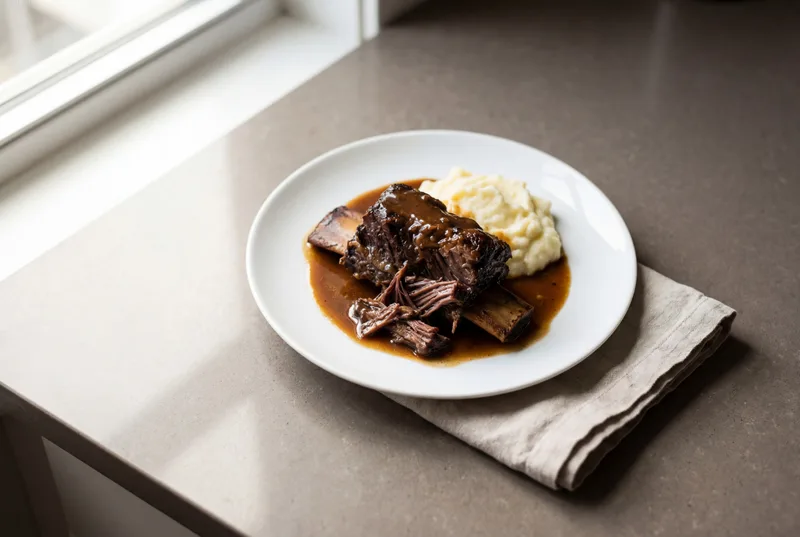
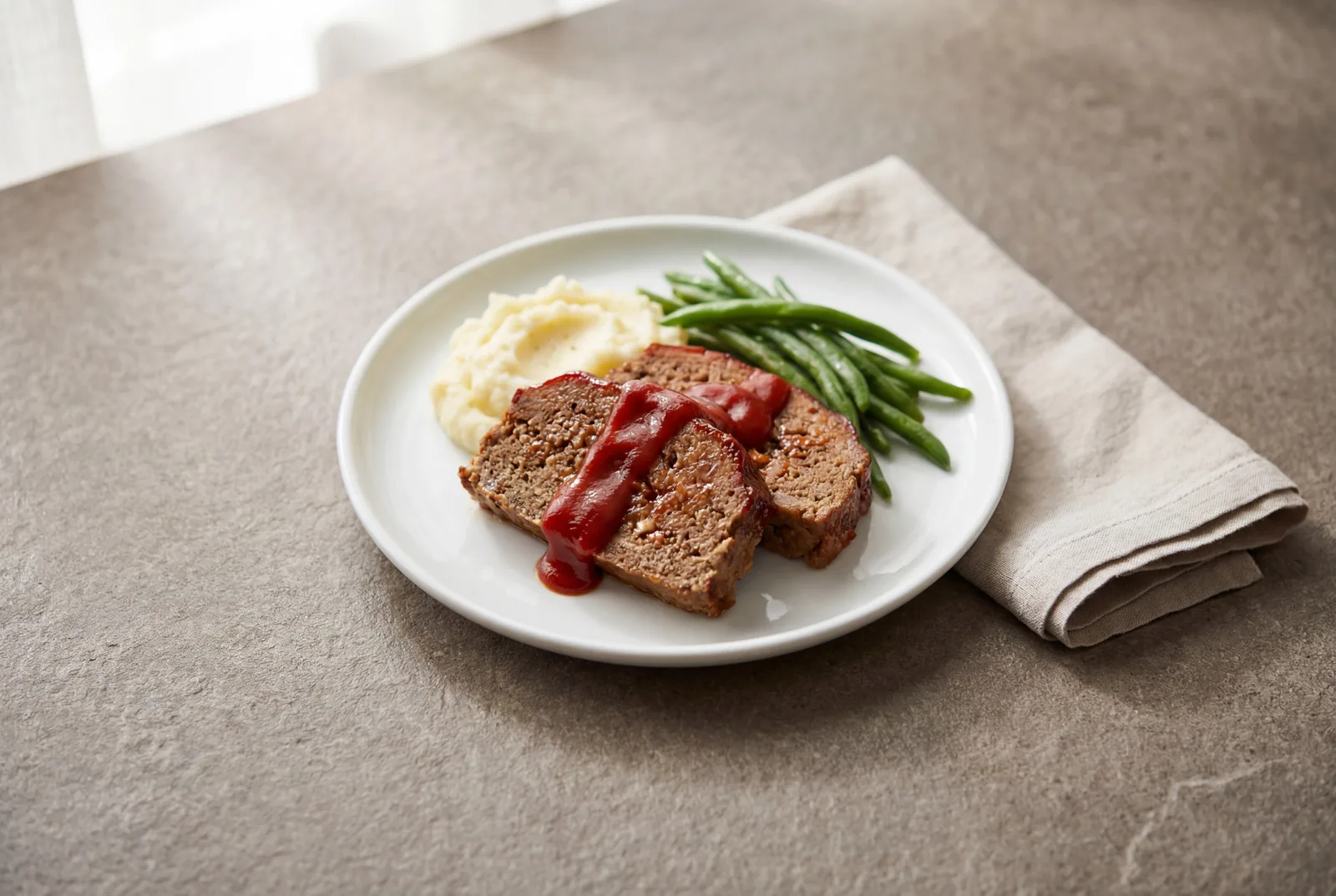
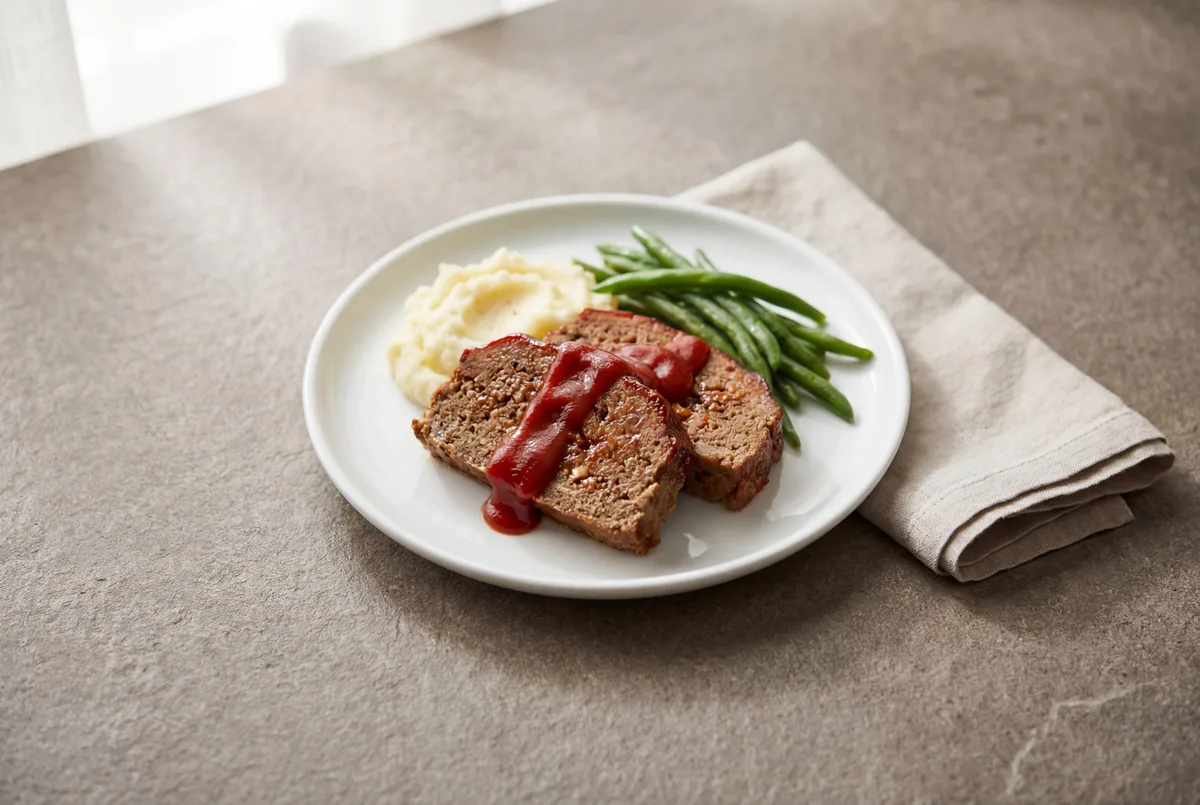
Tender, nostalgic meatloaf with a tangy glaze and creamy mashed potatoes. This IBD-adapted version skips the onions and uses lean beef to keep it gentle while delivering the comfort food experience many of us crave during remission.
Meatloaf with Mashed Potatoes
Tender, nostalgic meatloaf with a tangy glaze and creamy mashed potatoes. This IBD-adapted version skips the onions and uses lean beef to keep it gentle while delivering the comfort food experience many of us crave during remission.
Ingredients
- Low FODMAP
- Moderate FODMAP
- Low FODMAP
- Low FODMAP
- Low FODMAP
- Low FODMAP
- Low FODMAP
- Low FODMAP
- Moderate FODMAP
- Low FODMAP
- Moderate FODMAP
- Low FODMAP
- Low FODMAP
- Low FODMAP
- Low FODMAP
Meatloaf
Glaze
Mashed Potatoes
Instructions
Preheat your oven to 350°F (175°C) and line a rimmed baking sheet with parchment paper or lightly grease a 9x5-inch loaf pan.
350°F (175°C)Equipment: baking sheet, parchment paper, 9x5-inch loaf panCombine the breadcrumbs and lactose-free milk in a small bowl. Let the mixture sit for 5 minutes until the breadcrumbs absorb the milk completely and form a thick paste. This is called a panade—it's key to a moist meatloaf.
Tip: This panade technique keeps the meatloaf moist and tenderAdd the ground beef, soaked breadcrumbs, eggs, garlic-infused oil, salt, pepper (if using), and thyme to a large mixing bowl.
Equipment: large mixing bowlMix gently with your hands or a wooden spoon just until combined, about 30-45 seconds. Stop as soon as you don't see streaks of egg—overworking makes the meatloaf tough.
Tip: Overworking the meat results in a tough, dense loafTransfer the meat mixture to your prepared pan. Shape into an even loaf about 9 inches long and 5 inches wide if using a baking sheet, or press gently into the loaf pan without packing it down.
Whisk together the ketchup, brown sugar, and Worcestershire sauce in a small bowl until the sugar dissolves. Spread half of this glaze evenly over the top of the meatloaf.
Equipment: small bowl, pastry brushBake for 45 minutes until the meatloaf begins to brown and pull away from the edges of the pan.
350°F (175°C)Remove from the oven and spread the remaining glaze over the top in an even layer.
Return to the oven and bake for 15 more minutes, until the internal temperature reaches 160°F (71°C) when measured with an instant-read thermometer inserted into the thickest part.
160°F (71°C)Equipment: instant-read thermometerLet the meatloaf rest for 10 minutes before slicing. This allows the juices to redistribute and prevents the slices from falling apart.
Tip: This rest period is essential—cutting too soon means crumbly slicesPlace the peeled and cubed potatoes in a large pot and cover with cold water by 1 inch. Add 1 teaspoon of salt to the water.
Equipment: large potBring to a boil over high heat, then reduce to a steady simmer. Cook for 15-18 minutes, until the potatoes are fork-tender and break apart easily when pierced.
Drain the potatoes thoroughly in a colander and return them to the hot pot. Let them sit for 1 minute to steam off excess moisture.
Equipment: colanderAdd the butter to the potatoes and mash with a potato masher until mostly smooth with just a few small lumps remaining.
Equipment: potato masherPour in the lactose-free milk and add the salt. Continue mashing until the potatoes reach your desired consistency—creamy and fluffy, not gluey. Taste and adjust salt as needed.
Tip: Stop mashing when creamy—overmashing makes gluey potatoesServe slices of meatloaf over the mashed potatoes, with extra glaze spooned on top if desired.
Meatloaf
Mashed Potatoes
Notes
Storage
Refrigerate meatloaf and mashed potatoes separately in airtight containers for up to 3 days. Reheat meatloaf slices in a 300°F (150°C) oven for 15-20 minutes, covered with foil to prevent drying. Reheat mashed potatoes on the stovetop with a splash of milk, stirring over low heat.
Freezing
Meatloaf freezes well for up to 3 months. Slice the cooled meatloaf, wrap individual slices in plastic wrap, then place in a freezer bag. Thaw overnight in the refrigerator before reheating. Mashed potatoes can be frozen for up to 2 months but may separate slightly—stir well after reheating.
Leaner beef option
Using 93/7 ground beef instead of 90/10 reduces fat further, which may be gentler for some of us with IBD. The meatloaf will be slightly drier, so don't skip the panade step.
SCD substitution
To make this SCD-legal: replace breadcrumbs with 1/2 cup blanched almond flour (texture will be denser but still moist), swap potatoes for well-mashed butternut squash, use honey instead of brown sugar, and make your own ketchup with tomato paste, honey, and vinegar.
Low-FODMAP ketchup
Many commercial ketchups contain high-fructose corn syrup and onion powder, both high-FODMAP. Fody makes a certified low-FODMAP ketchup, or make your own with tomato paste, maple syrup, and apple cider vinegar.
Why no onion
Traditional meatloaf relies on diced onion for moisture and flavor, but onions are high in fructans that trigger symptoms for many of us with IBD. Garlic-infused oil provides savory depth without the gut irritation—the fructans don't transfer to the oil.
Make-ahead
Shape the meatloaf up to 24 hours ahead, cover tightly with plastic wrap, and refrigerate. Add 5-10 minutes to the initial baking time since it will go into the oven cold.
IBD Considerations
Diet Protocol Compliance
How this recipe fits common IBD dietary approaches