Korean Bibimbap (Adapted)
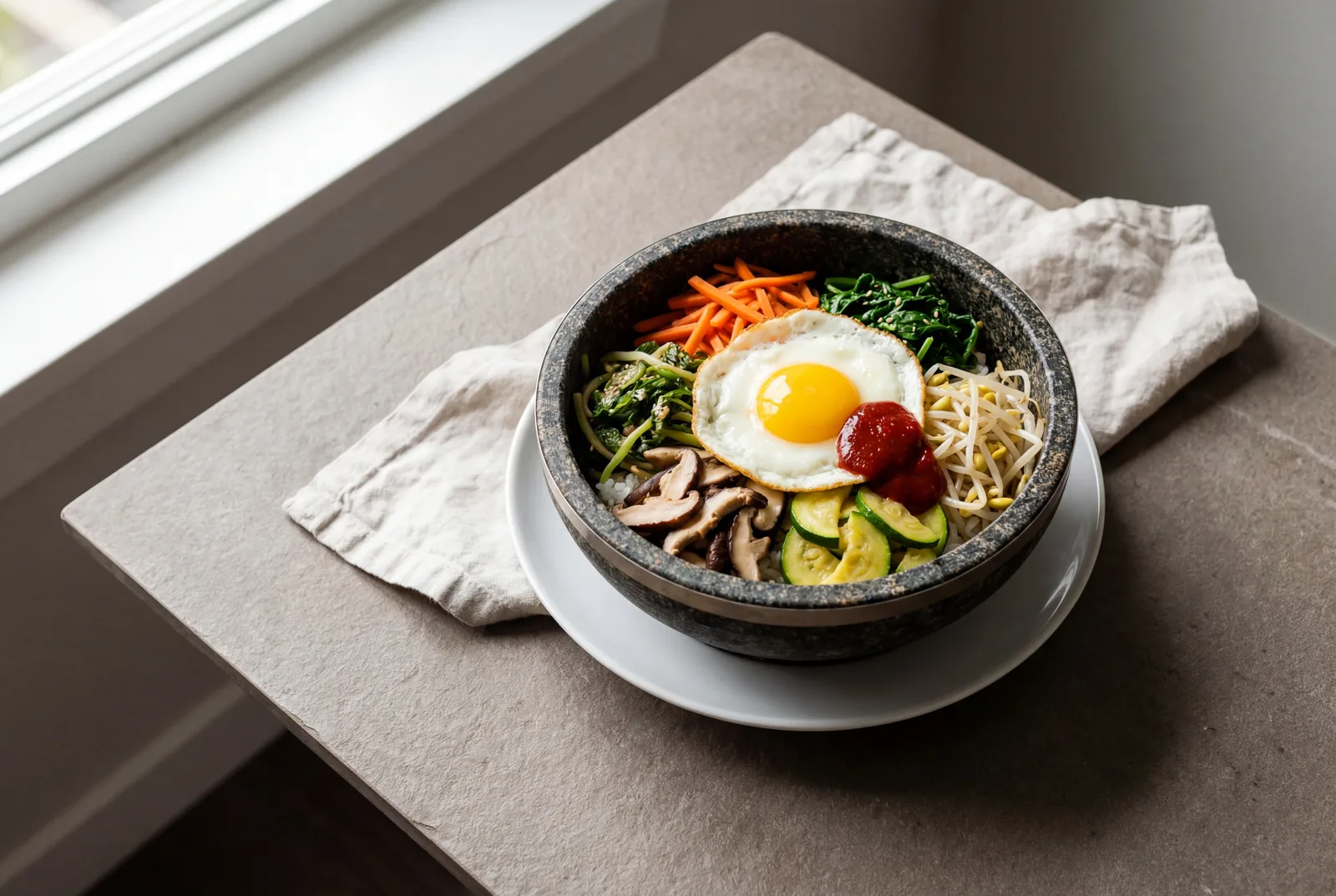
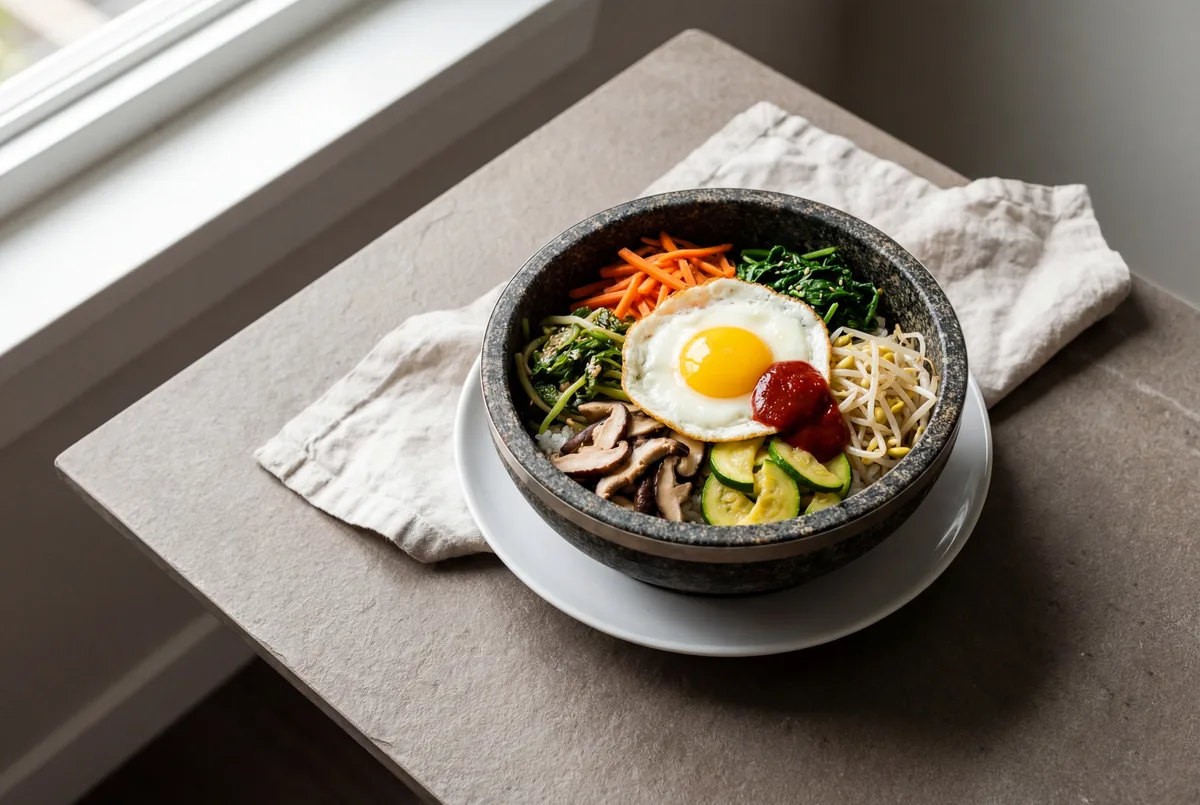
Colorful Korean rice bowl with sautéed vegetables, marinated beef, and a golden fried egg. This IBD-adapted version skips the spicy gochujang for a gentle tamari-sesame sauce—best enjoyed during stable remission when your gut can handle the 4g fiber from multiple vegetables.
Korean Bibimbap (Adapted)
Colorful Korean rice bowl with sautéed vegetables, marinated beef, and a golden fried egg. This IBD-adapted version skips the spicy gochujang for a gentle tamari-sesame sauce—best enjoyed during stable remission when your gut can handle the 4g fiber from multiple vegetables.
Ingredients
- Low FODMAP
- Low FODMAP
- Low FODMAP
- Low FODMAP
- Low FODMAP
- Low FODMAP
- Low FODMAP
- Low FODMAP
- Low FODMAP
- Low FODMAP
- Low FODMAP
- Low FODMAP
- Low FODMAP
- Low FODMAP
- Low FODMAP
- Low FODMAP
- Low FODMAP
- Low FODMAP
Rice
Beef
Vegetables
Assembly
Mild Sauce
Instructions
Heat a large skillet over medium heat and add a drizzle of sesame oil.
Equipment: large skilletSauté the julienned zucchini for about 3 minutes, stirring occasionally, until tender but still bright green. Season with a pinch of salt. Transfer to a plate.
Add another drizzle of sesame oil to the skillet. Sauté the carrots for about 4 minutes until softened and slightly caramelized at the edges. Season with salt and transfer to the plate.
Wilt the spinach in the skillet for about 2 minutes, just until the leaves collapse and turn dark green. Do not overcook. Season lightly with salt and transfer to the plate.
If using bean sprouts, cook them last for about 2 minutes until just softened but still slightly crisp. Transfer to the plate.
Tip: Skip this step if you're sensitive to lightly cooked vegetablesSet all vegetables aside separately—keeping them distinct is part of bibimbap's visual appeal.
In a small bowl, whisk together the tamari, sesame oil, and sugar until the sugar dissolves.
Equipment: small bowlAdd the sliced beef and toss to coat evenly. Let marinate for 10 minutes at room temperature.
Heat a skillet over high heat until very hot—a drop of water should sizzle immediately.
Equipment: skilletTip: A very hot pan is essential for good browning without overcookingAdd the marinated beef in a single layer and sear without moving for 1-2 minutes, until the bottom develops a golden-brown crust.
Flip and cook for another 1-2 minutes until just cooked through. Transfer to a plate.
Rinse the rice under cold water until the water runs mostly clear. Combine rice and water in a medium pot and bring to a boil over high heat.
Equipment: medium potOnce boiling, reduce heat to low, cover with a tight-fitting lid, and simmer for 18 minutes without lifting the lid.
Tip: Do not lift the lid while simmering—trapped steam is essential for properly cooked riceRemove from heat and let stand covered for 5 minutes to steam and fluff.
Heat 2 tablespoons vegetable oil in a nonstick skillet over medium heat. Crack the eggs into the pan and fry sunny-side up for about 3-4 minutes, until the whites are set but the yolks remain runny.
Equipment: nonstick skilletTip: For a firmer yolk that's easier to digest, cook an extra minuteFluff the rice with a fork and divide among 4 bowls, creating a base layer.
Equipment: forkArrange the vegetables and beef in separate sections on top of the rice, creating a colorful wheel pattern.
Place one fried egg in the center of each bowl.
Sprinkle with sesame seeds and drizzle with the mild sauce (tamari, sesame oil, and rice vinegar mixed together).
Serve immediately and instruct diners to mix everything together thoroughly before eating.
Tip: The name 'bibimbap' means 'mixed rice'—mixing is part of the experience
Prepare the Vegetables
Marinate and Cook the Beef
Cook the Rice
Assemble the Bowls
Notes
Storage
Refrigerate components separately in airtight containers for up to 3 days. Store rice, vegetables, beef, and sauce in separate containers. Cook eggs fresh when ready to serve. Reheat rice and vegetables in the microwave or on the stovetop, and warm beef gently to avoid overcooking.
Gochujang-free adaptation
Traditional bibimbap features gochujang, a spicy fermented red chili paste. While some research suggests fermented foods may support gut health, the capsaicin content can trigger flares in many of us with IBD. This version uses a mild tamari-sesame-vinegar sauce instead, providing savory depth without the heat.
Vegetable substitutions
Use only vegetables you tolerate well. Swap zucchini for peeled cucumber, carrots for well-cooked sweet potato, or spinach for bok choy. All vegetables should be cooked until soft—raw or crispy vegetables are harder to digest.
Protein alternatives
Swap beef for thinly sliced chicken breast, firm tofu (pressed and cooked until golden), or flaky white fish. Cook tofu until crispy for best texture.
SCD alternative
White rice is not permitted on the Specific Carbohydrate Diet. Substitute with well-cooked, mashed butternut squash (monitor portion—amber at 70g per Monash) or cauliflower rice for an SCD-legal version.
Make-ahead
Prep and cook all vegetables the night before, then store separately. On serving day, simply reheat, cook fresh rice and eggs, and assemble.
Crispy rice option
For dolsot bibimbap (stone bowl style), serve in a heated stone bowl or cast-iron skillet to create a crispy rice crust at the bottom. This adds texture but may increase fat content slightly.
IBD Considerations
Diet Protocol Compliance
How this recipe fits common IBD dietary approaches